To succeed we need your voice – Complete the Concerned Citizens Log Below
*Use the log to volunteer, attend a meeting and/or canvas your neighborhood
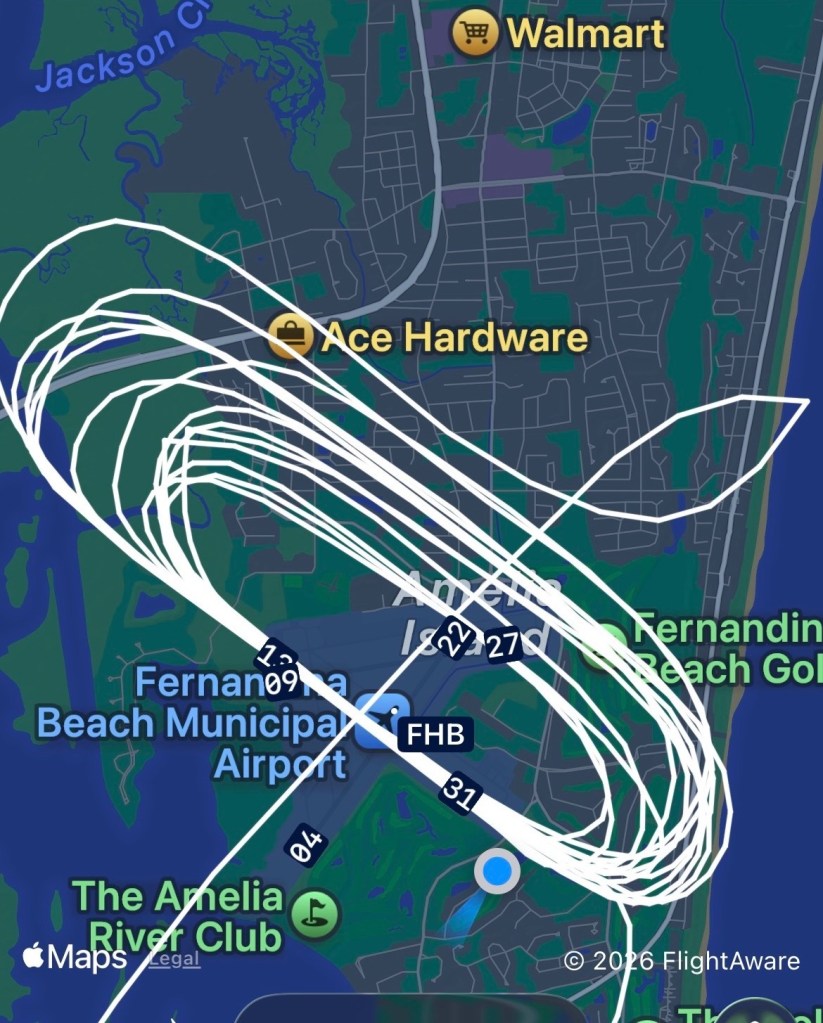
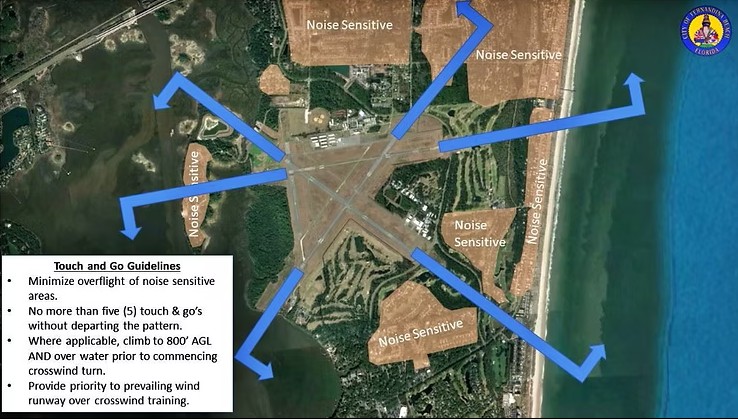
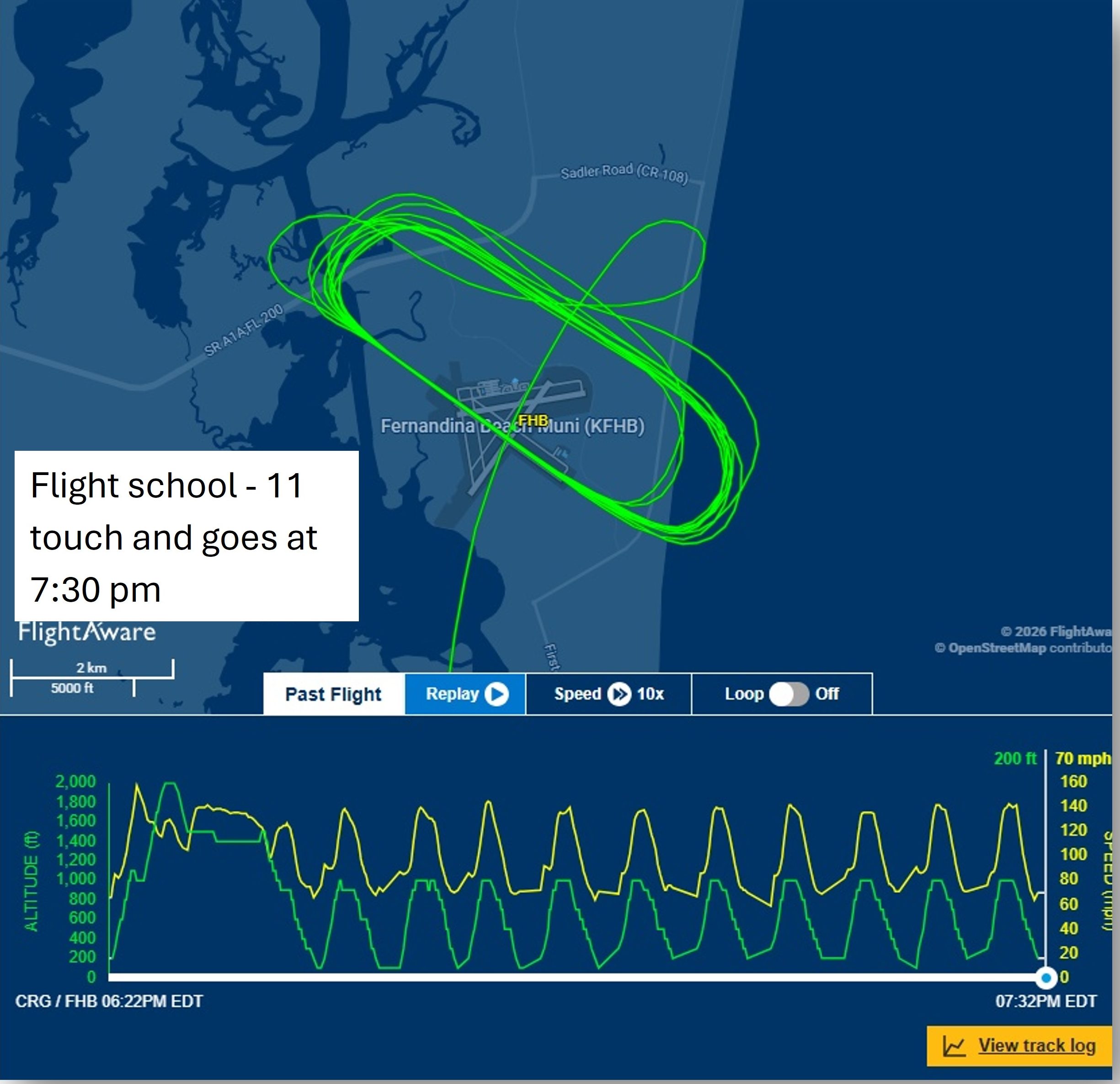
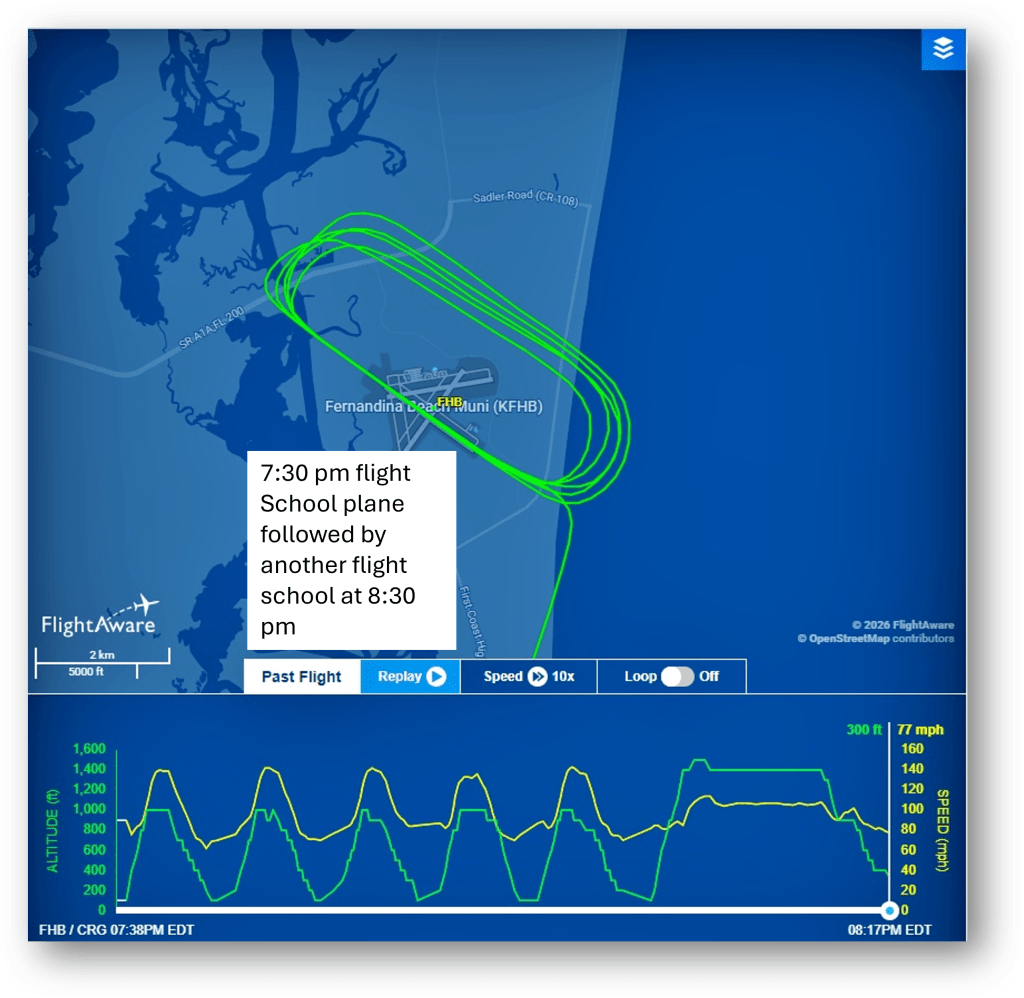
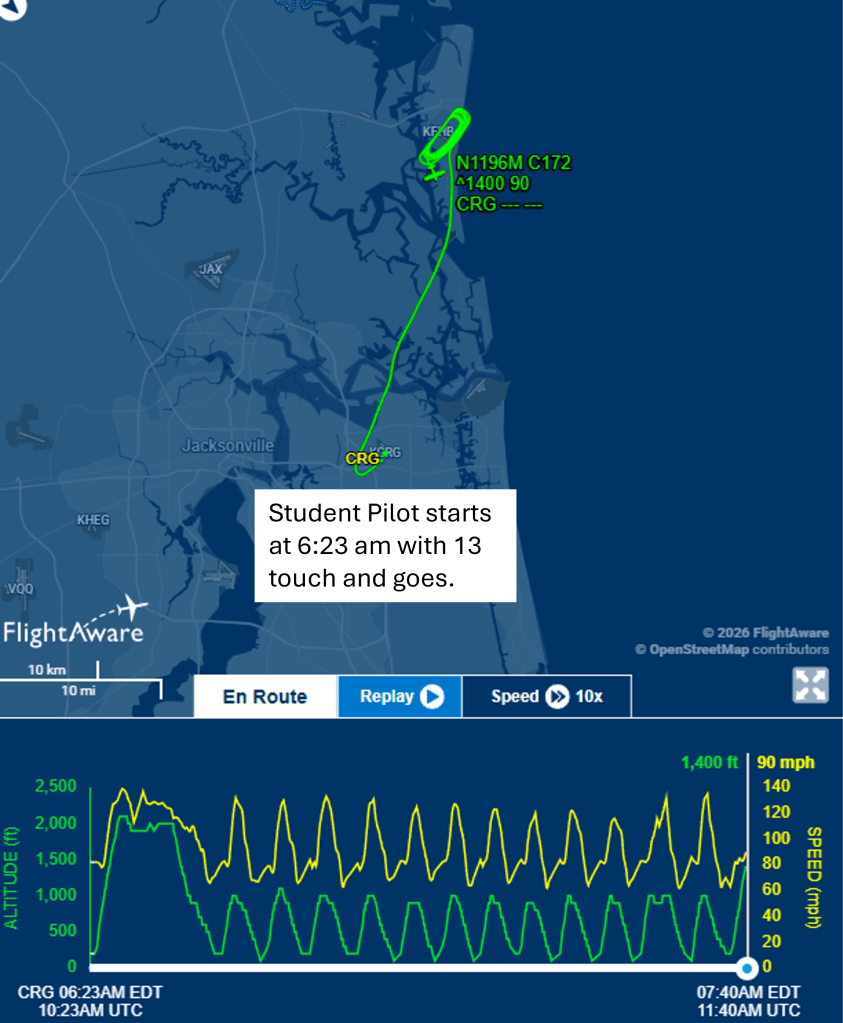
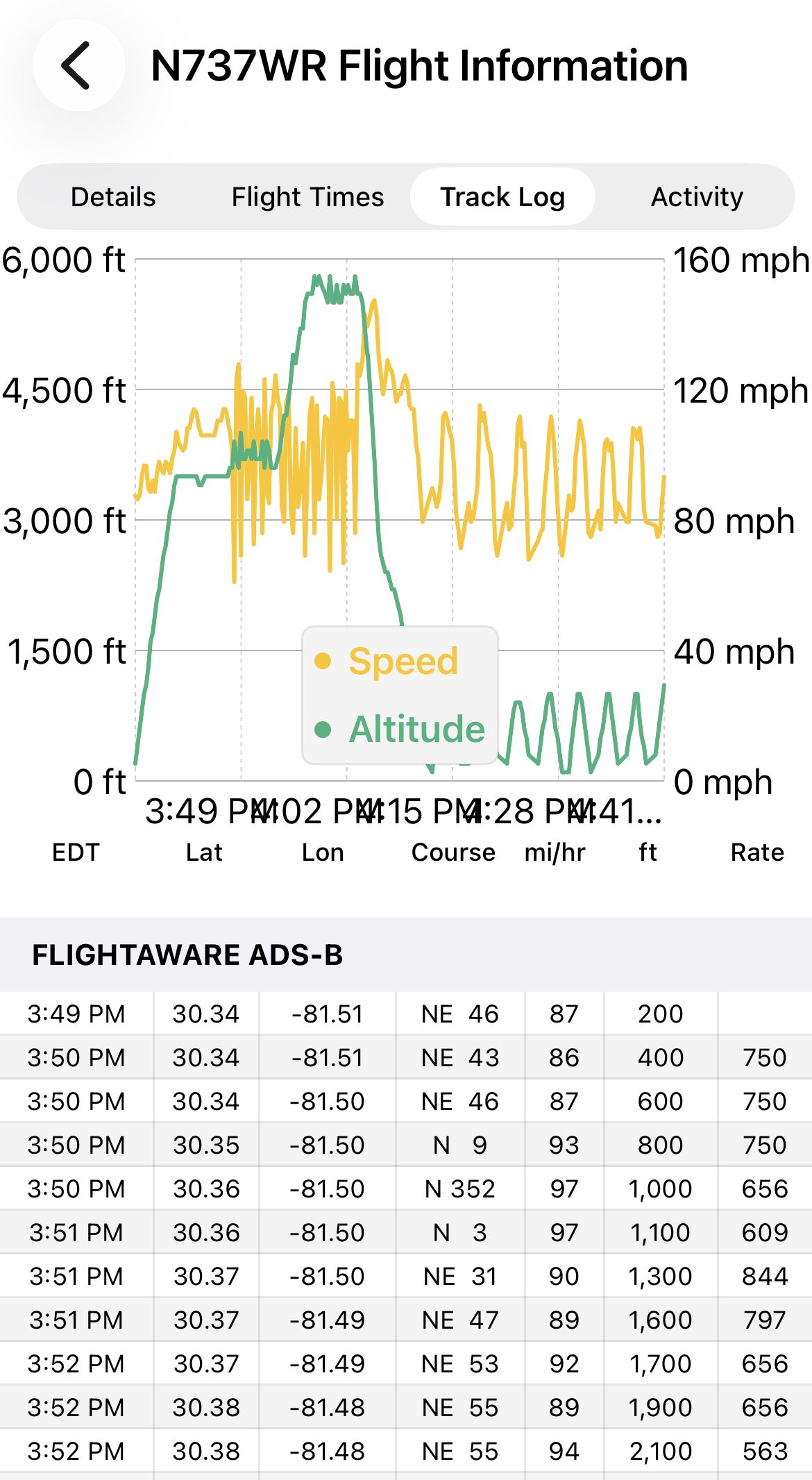
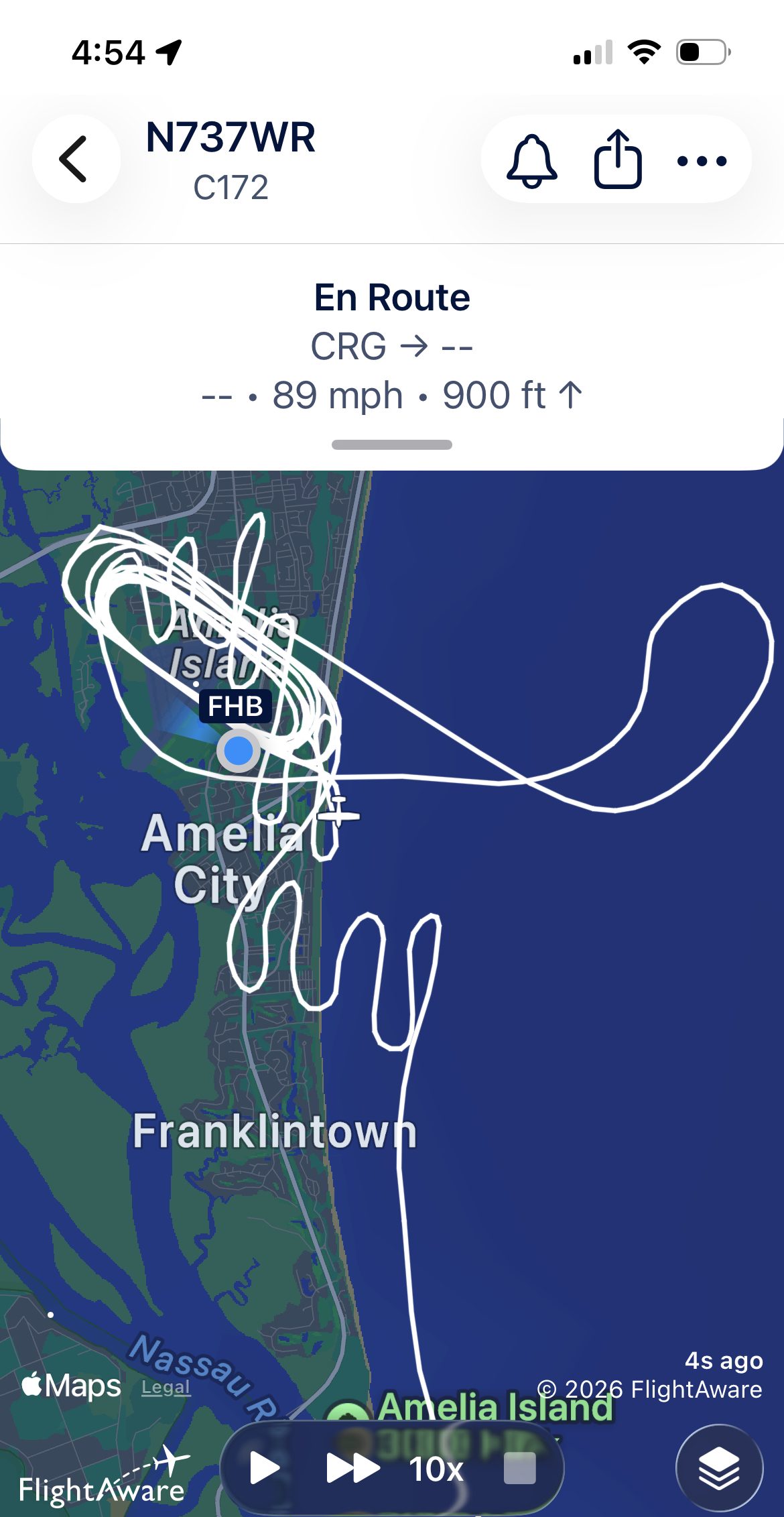
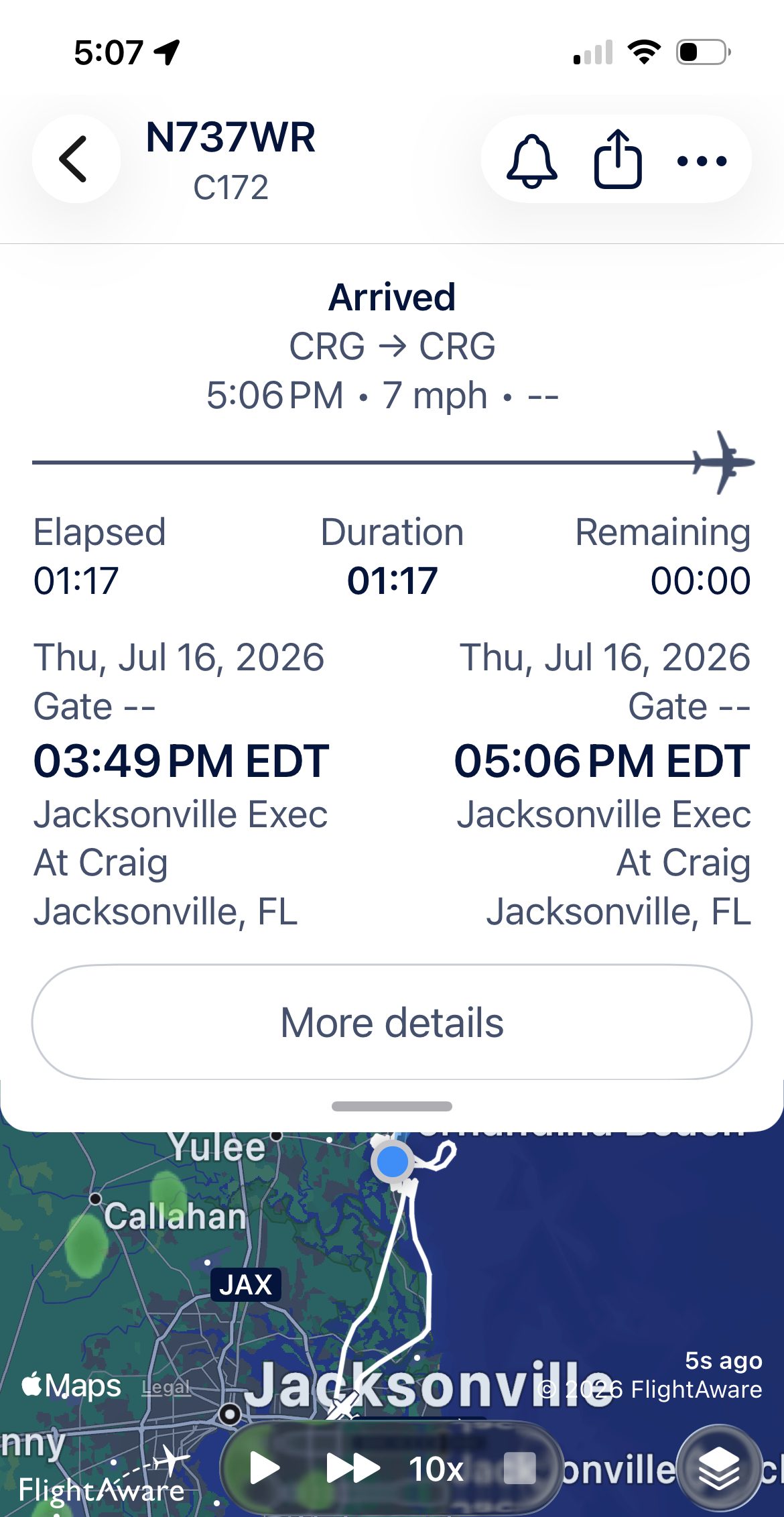
Flight schools routinely ignore the city’s voluntary guidelines requesting no more than five touch and goes. This flight school plane conducted 13.
Let’s Ensure all communities concerns are counted
What we do
We seek common-sense behavior from the flight schools that comply with FAA guidelines requiring pilots to consider the impact of noise on communities surrounding airports.
We believe
We believe effective strategies can be applied by the City of Fernandina Beach to mitigate the excessive noise problem while ensuring our airports long-term sustainability.
Let’s “Be a voice, not an echo” Albert Einstein – The more neighbors who log concerns, the stronger the case becomes.
Add your voice or volunteer through the form below.
Our Concerned Citizens Log
A flight school operating out of Fernandina Beach Municipal Airport runs repeated training patterns — takeoffs, low passes, and landings — over the homes below. Unlike a passenger flight that climbs once and leaves, training circuits loop back every few minutes, often from early morning well into the evening. This schools do not contribute finanicially to the maintenance and sustainability of our airport or our community.
We’re not against the airport or aviation. We’re asking for reasonable, common-sense limits: higher pattern altitudes, rotated routes, and quiet hours that respect the people living directly below. The first step is showing the full picture — and that’s what this log is for.
Log your experience
Your report joins the record. Be specific where you can — dates and times make the strongest case.
Our Action Plan – We request that citizens, city officials, Nassau County commissioners representing Amelia Island and the FAA work together to address this problem, including, but not limited to the following:
The Fernandina Beach airport is surrounded by residential communities
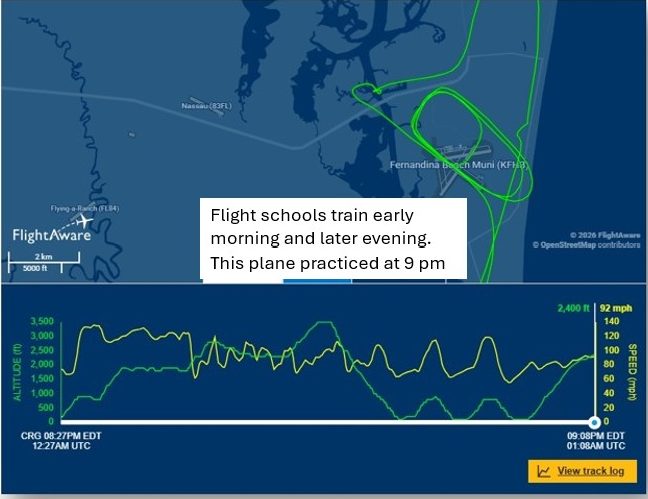
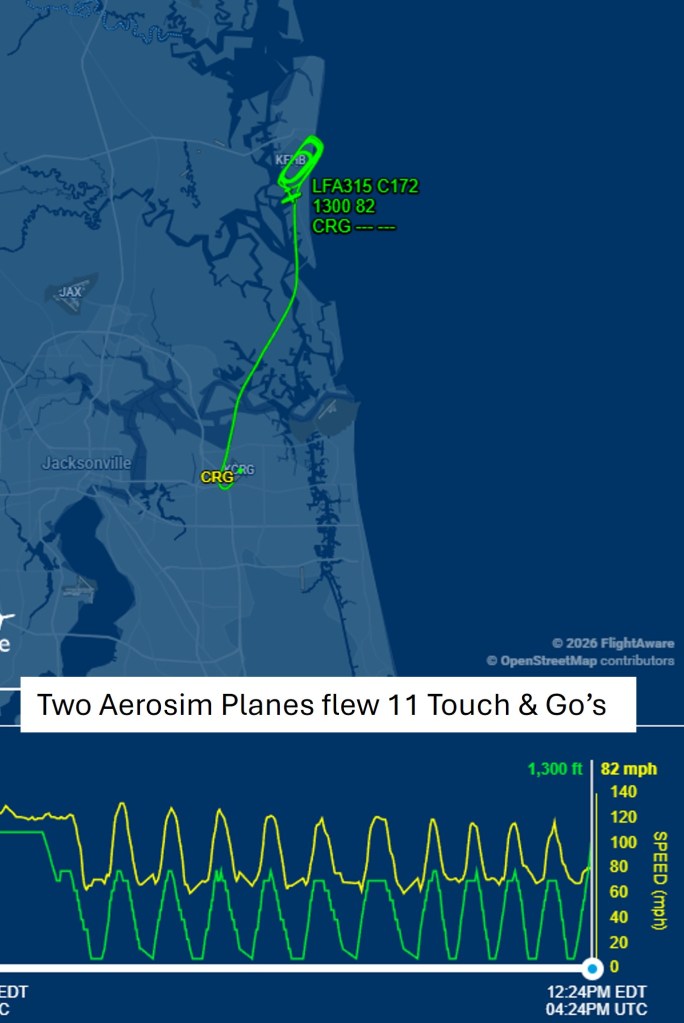
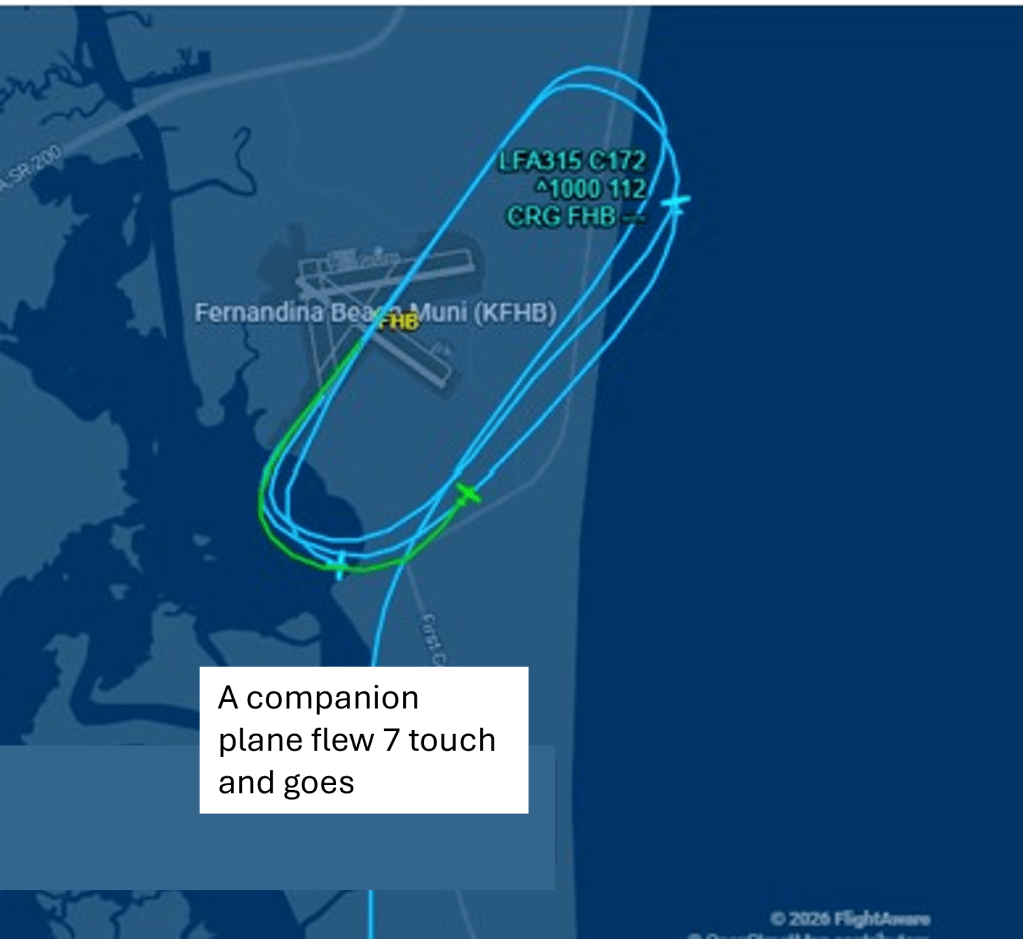
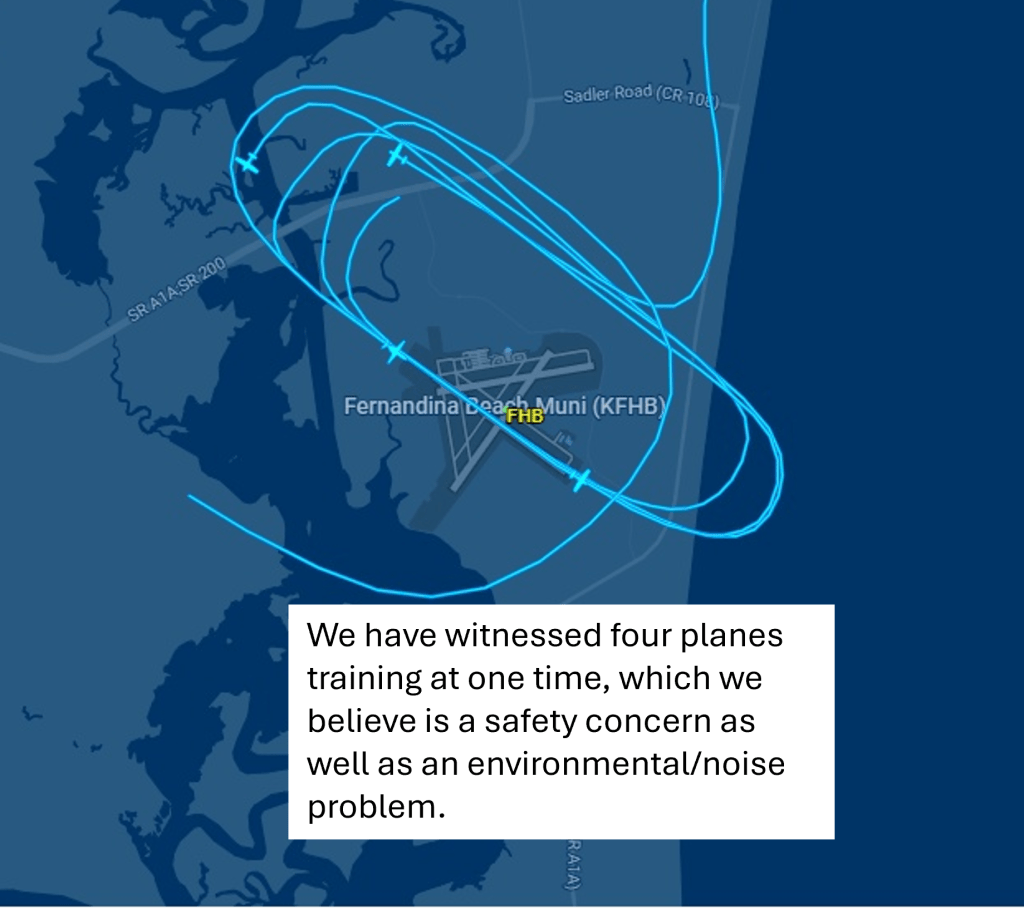
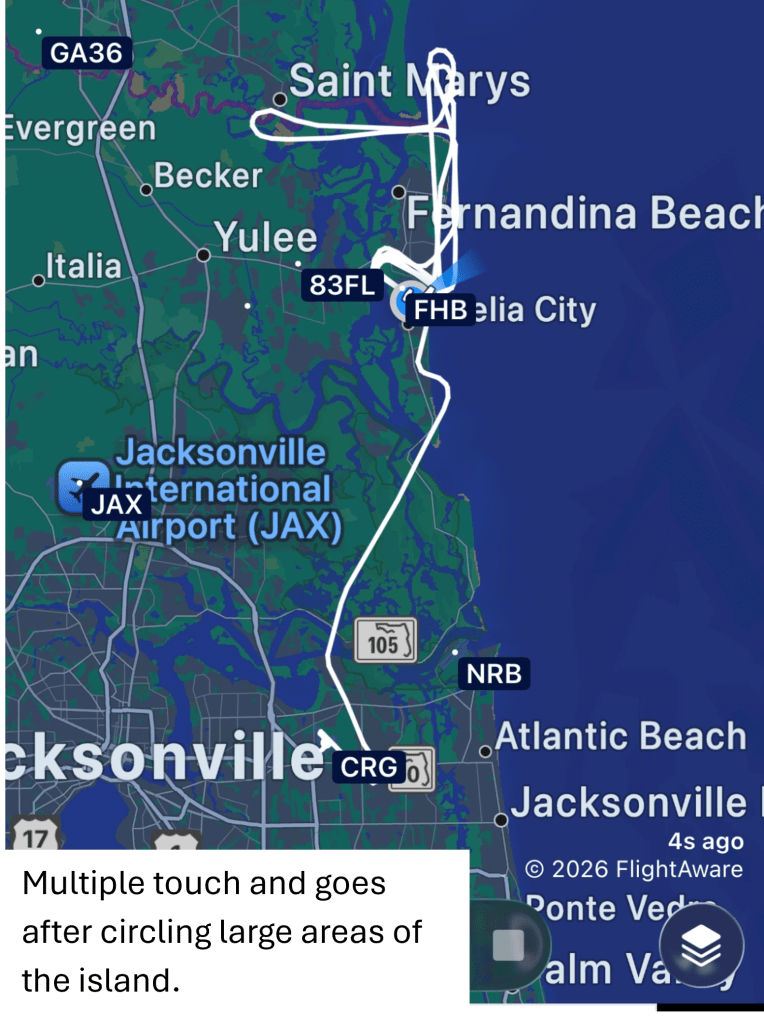
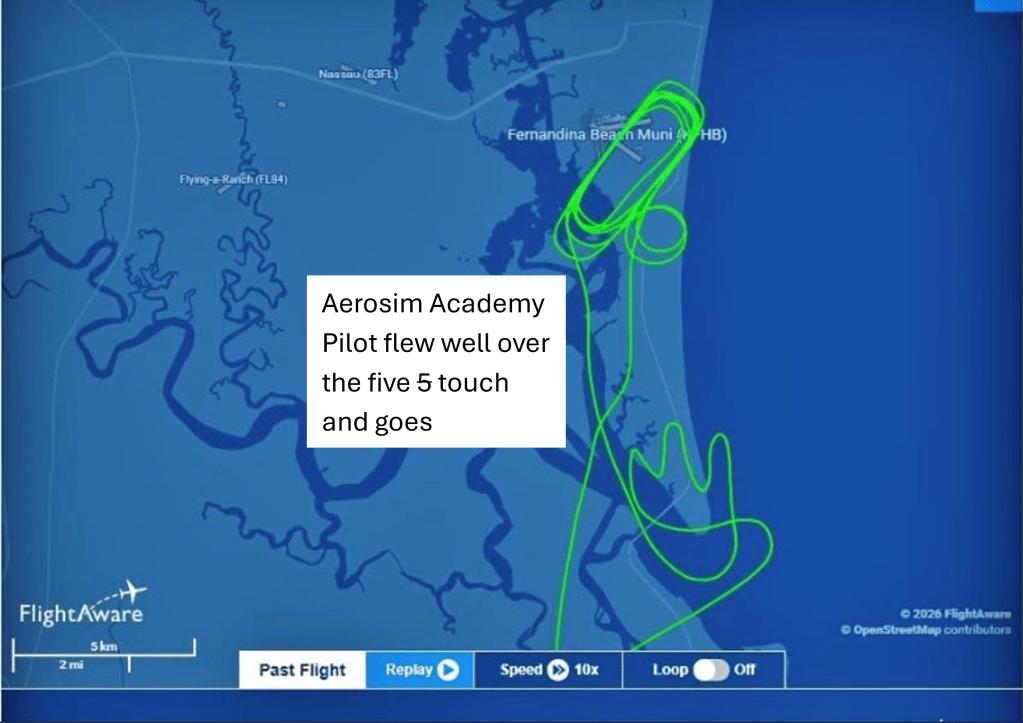
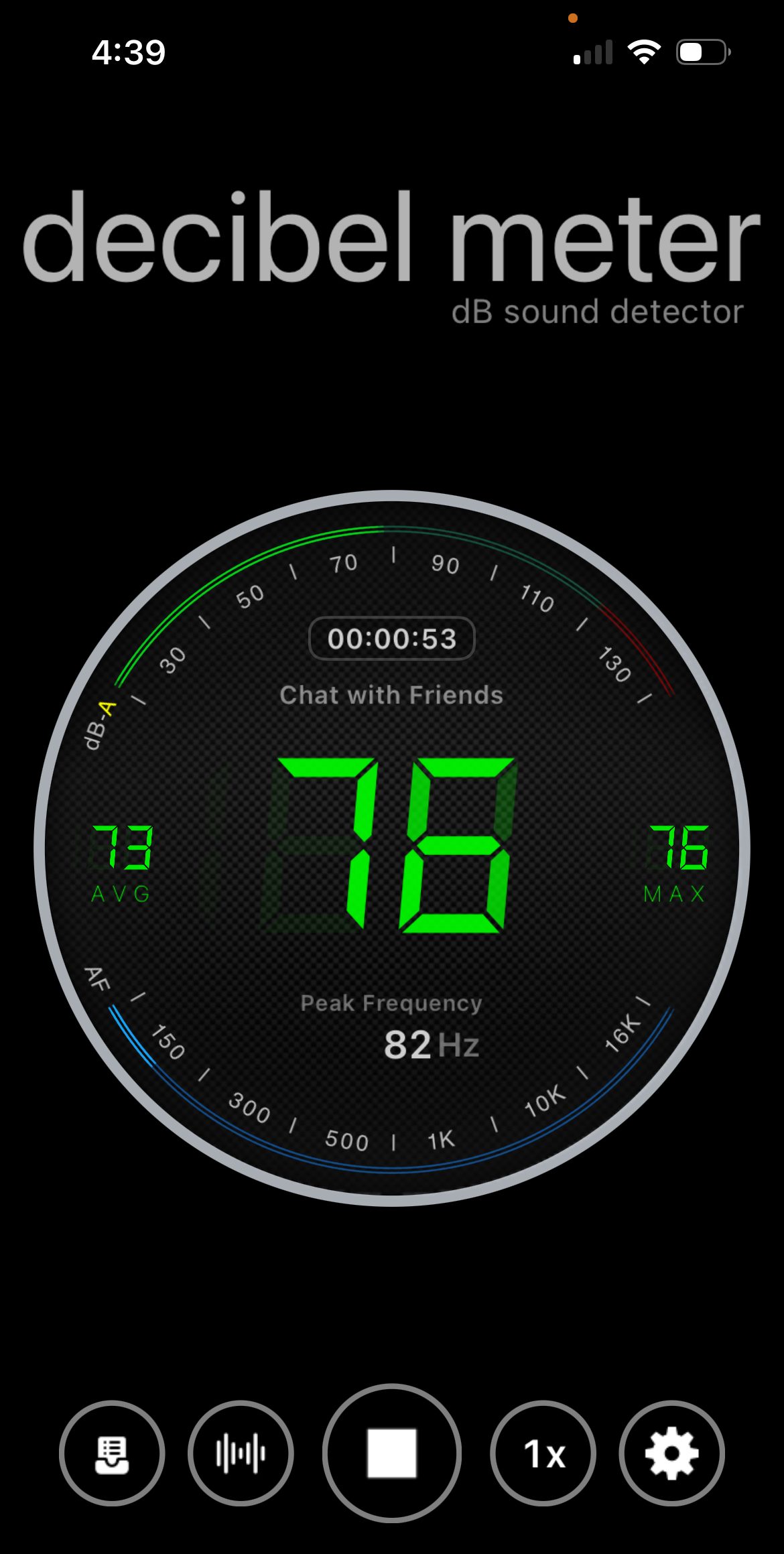
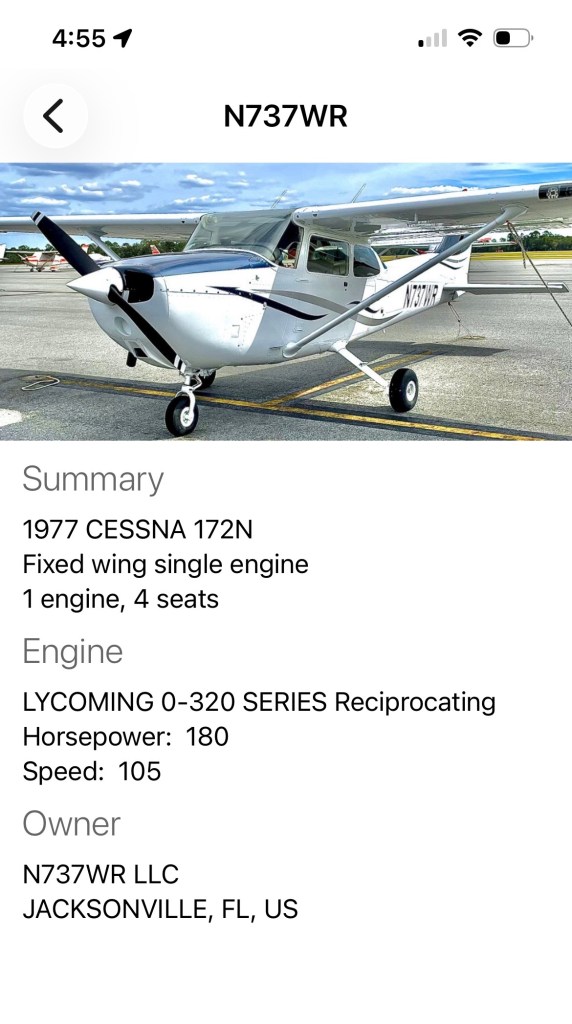
The below photos are examples of the exorbitant number touch & goes by flight schools with a blatant disregard for airport guidelines. It also shows several flight schools planes at the same time over our communities. This raises safety and environmental concerns.This excessive airport use also raises concerns about our airports sustainability as these planes DO NOT contribute to the Airports need for maintenance, ongoing repairs and technology upgrades.
Screenshot
The Plan
Our Action Plan – We request that citizens, city officials, Nassau County commissioners representing Amelia Island and the FAA work together to address this problem, including, but not limited to the following:
Use runways strategically to reduce noise and dBA limits of flight school planes.
Issue stricter voluntary noise abatement guidelines that go beyond the five touch-and-go request. Stricter guidelines could include flight school use of the airport during certain hours of the day, holidays, weekends.
Implement FAA-approved options for managing repetitive training operations.
Explore the FAA Part 150 Noise Compatibility Program to ascertain FAA-approved strategies for noise mitigation.
Explore FAA-compliant fee structures, including infrastructure airport sustainabilty fees based on landings, patterns and repetitive touch-and-goes.
Formulate a plan for the city airport manager and staff to monitor and record flight school activity (number of touch-and-goes), which flight schools use the airport, where those flight schools are based, the noise generated by the planes and the number of noise complaints received.
Formulate a plan for the city airport manager to release quarterly reports to City staff and the public with data on flight school usage.
Increase communication with flight schools, including regular meetings, to present the quarterly reports and discuss the findings.
Distribute noise-abatement maps, reminders and strategies to the flight schools on a regular basis.
Combine the city’s legal rights as an airport proprietor with empirical data from Virtower, the city can legally structure fees and operational rules that target the behavior (repetitive training noise) rather than the origin of the pilots. [1 and commit to ongoing monitoring, as flight school activity often ebbs and flows.
Meet with the FAA Regional Ombudsman to discuss noise abatement and seek the FAA’s cooperation in meeting the city’s goal of flight school noise mitigation.
The Virtower Advantage: Virtower automatically tracks tail numbers, calculates exactly how many circuit loops an aircraft performs, and logs the aircraft’s home base. The city can directly link Virtower’s data export to an automated billing service (like PlanePass) to send monthly invoices to the neighboring flight schools. [1, 2]
Why it Complies: It does not discriminate against outside schools. If a local pilot performs 10 touch-and-goes, they pay the same fee.
Commission an environmental noise assessment undertaken by neutral party that would not involve the participation of residents or flight schools.
Involve citizens, such as a member of Airport Noise Alliance — Amelia Island, in updating the city’s Airport Master Plan to address flight school noise.
Establish an Airport Noise Working Group. Since the abolishment of the Airport Advisory Committee, citizens no longer have a dedicated forum to express airport concerns and questions.


 Airport Noise Alliance - Amelia Island